Header logo

header top contact widget
 call us at
Dry Mouth
Tooth Loss NOT Natural Part Of Aging Process
Posted on Sep 12, 2016 by William J. Claiborne, DDS MS
Many of us can remember spending the night at our grandparents’ homes and being shocked to see their teeth soaking in a glass. Seeing our grandmother’s smile in a glass by the sink was a pretty unsettling sight!
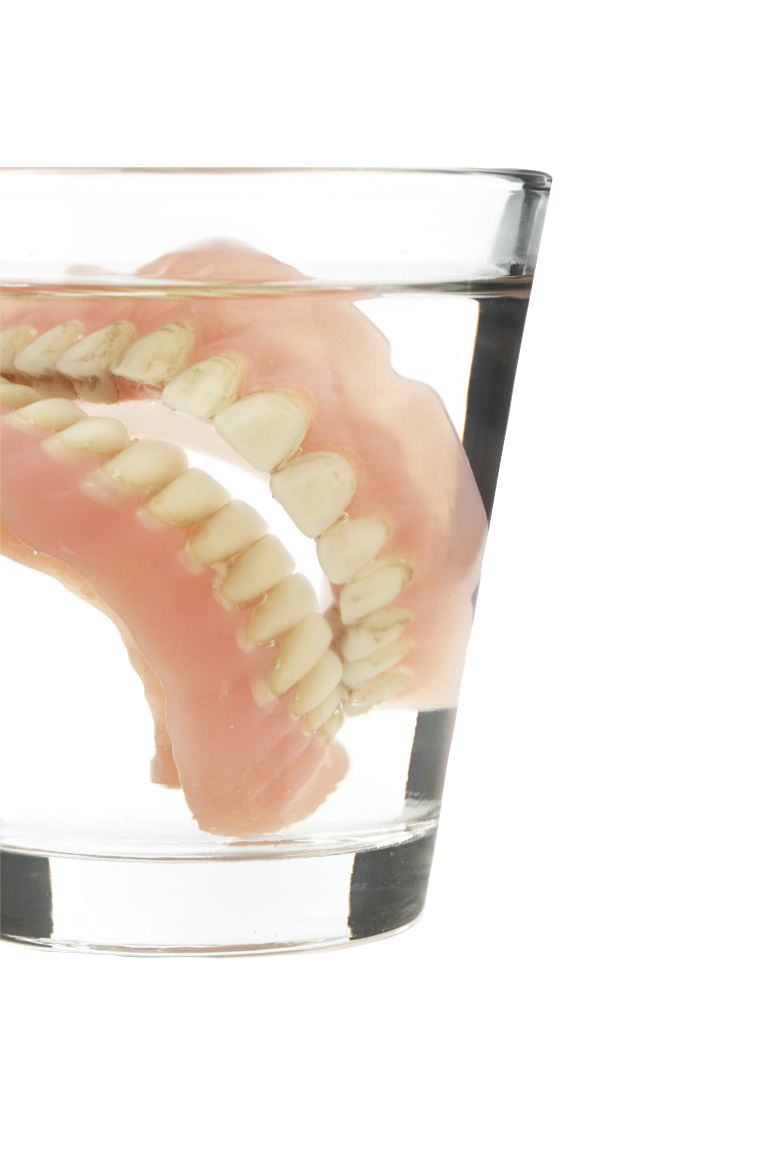 While our grandparents may have been resigned to an eventual life with dentures, modern dentistry knows tooth loss need not be the case. Poor oral hygiene was not always the cause of tooth loss, either. Many in our grandparents’ era were taught to use a stiff toothbrush and baking soda and scrub their teeth hard. They thought that seeing blood in the sink meant they were doing a good job.
Today we know better. Substances such as baking soda and hard bristle toothbrushes are too abrasive for tooth enamel. Once enamel is worn away, the tooth becomes vulnerable to decay and cracks. Using modern techniques in brushing, flossing and keeping sufficient moisture in the mouth, adults can enjoy a naturally-healthy smile that lasts a lifetime.
In a five-year National Health and Nutrition Examination Survey, the statistics of tooth loss among older adults has declined somewhat over the years. However, still today those over the age of 65 only have an average 18.90 remaining teeth. Sadly, over 27% of seniors over the age of 65 have no remaining teeth at all.
The repercussions of tooth loss go far beyond the challenges of wearing dentures. Yet, dentures only contribute to the problems. The problem begins under the gums where your teeth were once held by the jaw bone. Without tooth roots to provide stimulation to the jaw, the bone begins to shrink. This process, known as “resorption,” leads to eventual tooth loss. This sets into motion a domino effect. It is a fact that the tooth beside where a tooth is now missing will be the next to go.
It is also a fact that people with their natural teeth live, on average, ten years longer than denture wearers. This is likely due to the ability to eat a healthy diet and stay active socially. People who wear dentures tend to decline social invitations since most are centered around food. The fear of embarrassing slips and uncomfortable rubbing makes most events seem a challenge.
You CAN keep your teeth all your life! Here are ways to help…
• Daily brushing and flossing is the gold standard in removing oral bacteria from the mouth. Brush for two minutes each time with a soft to medium bristle tooth brush using a fluoridated toothpaste. Use a swirling motion rather than a back-&-forth scrubbing motion. Floss daily. Brush your tongue or use a tongue scrapper to remove bacteria embedded in the grooves of the tongue.
• Be committed to your 6-month exams and cleanings, which give your mouth a periodic clean slate by removing accumulated tartar. Tartar is the cement-like attachments to teeth that the Hygienist scrapes off during cleanings. These are actually hardened colonies of oral bacteria that eat away at gum tissues and tooth enamel. These check-ups can also catch problems while still small.
• Keep your mouth moist. A dry mouth enables the growth of oral bacteria. Drink plenty of water throughout the day. Limit foods and beverages that are caffeinated, which are drying to oral tissues. These include coffee, tea, colas and chocolate as well as spicy foods. If you take medications that have drying side effects, use an oral rinse designed to replenish moisture. Also, chew sugarless gum to help promote saliva flow.
• Limit carbs and sugar. The acids produced in the mouth by carbohydrates and sugary foods and beverages create an ideal environment for bacterial reproduction. While all foods trigger an acid attack in the mouth for 20-30 minutes after eating, sugar and carbs super-charge the reproduction of oral bacteria. This acid also softens tooth enamel, making them especially vulnerable.
When teeth are lost, adults encounter a complicated set of issues – and hard decisions. As a Periodontal specialist, I’ve seen how simple measures can save people greatly in treatment time and expense AND prevent problems like gum disease, cavities and tooth loss.
If you have started to lose natural teeth already, let us help you halt the process! Call 828-274-9440 to schedule a consultation so we can discuss how you can regain your oral health for a lasting, healthy smile!
Avoid “Dry Mouth” And The Problems It Can Cause
Posted on Aug 30, 2016 by William J. Claiborne, DDS MS
We all have not-so-fresh breath on occasion. Some foods, certain illnesses and smoking can all lead to bad breath.
The problem, however, is when bad breath is persistent. This is an early sign of periodontal (gum) disease. If your bad breath is caused by gum disease, you may also be experiencing sore and tender gums and gums that bleed when brushing. If gum disease is not the problem, you may be suffering with dry mouth. However, it is important to know that dry mouth that occurs on a regular basis greatly increases your susceptibility to develop gum disease.
Oral dryness is what causes your mouth to feel stale and sticky when you wake up. This occurs because your oral tissues dry out during sleep. This provides an ideal environment for bacteria to multiply. As they thrive and reproduce, bacteria form a sticky film known as plaque.
Dry mouth can be caused by alcoholic beverages or coffee, which have a drying affect on oral tissues. Also drying are some medications that can decrease saliva flow. Saliva is designed to wash oral bacteria from the mouth. Many antihistamines and some medications for depression and urinary incontinence, among others, can cause dry mouth.
Medical conditions such as acid reflux, sinus infections, diabetes and bronchitis can also contribute to dry mouth. Breathing through the mouth because of snoring or a bad cold are drying to oral tissues as well.
Once we can determine the cause of your oral dryness, we can address the problem effectively. For example, if you take medications that have a side effect of oral dryness, there may be alternatives that have less drying effects.
In the meantime, take measures to lessen the negative effects of oral dryness. These include:
– Brush at least twice daily for a minimum of two minutes. Use a tongue scraper or brush your tongue with your toothbrush after brushing.
– Floss daily. If this is difficult, consider purchasing an electronic or water flosser.
– Drink plenty of water throughout the day. Consider using an oral rinse that replenishes oral moisture. These are available without a prescription.
If you have symptoms of gum disease or feel you have persistent bad breath, we can help you avoid the problems that can result, including tooth loss. Call 828-274-9440 to schedule an examination. Or, feel free to begin with a consultation.
Fresh Breath Is Easy To Have!
Posted on Aug 19, 2016 by William J. Claiborne, DDS MS
As we say good-bye to the busy-ness of Summer and settle into more normal routines, it gives us a good time to evaluate our oral health commitment. An advantage of achieving and maintaining a clean, healthy mouth is having confidence when it comes to your breath.
Below are simple tips for fresh breath:
• Drink lots of water. Colas, sweet tea, and energy drinks don’t count. Pure, clean water cleanses the mouth and adds to saliva’s ability to wash bacteria from the mouth. Bottled water, tap water or filtered water (such as Brita) are all helpful.
• Remove oral bacteria from your tongue. The tongue’s grooves provide a perfect haven for bacteria to embed and reproduce. Use a tongue scrapper each day or brush your tongue with your tooth brush at the end of tooth brushing. When your mouth has fewer bacteria, your breath will have a ‘cleaner’ scent and stay fresh longer.
• Enjoy fruits and skip sugary treats. Oral bacteria thrives on acid attacks that occur every time you eat or drink. However, when sugar is present, they become super-charged! Natural sugar in fresh fruits won’t have the same impact.
• Have a cucumber. When your mouth is dry, hold a slice of cucumber against the roof of your mouth for a couple of minutes. This activates more saliva production, which helps cleanse the mouth of particles and bacteria.
Fresh breath gives us more confidence when we are close to others. Whether at work, home with loved ones, or at social gatherings, your breath shouldn’t create an impression that is less-than-flattering.
To ensure your mouth is healthy and oral bacteria are at minimal levels, call for an appointment – 828.274.9440. We’ll help you to feel confident in closeness!
Receded Gums – How They Occur & Why They Up Your Risk For Problems
Posted on Aug 15, 2016 by William J. Claiborne, DDS MS
The next time you look in the mirror, smile. Notice how each tooth is arched by gum tissue. This tissue seals off and protects the tooth root sections of teeth. When the gums pull away from the teeth, darker and sensitive portions of the root are exposed. This leaves tooth roots exposed and vulnerable.
While the darker segments of teeth detract from the appearance of a smile, they are also highly sensitive. Many people often first notice gum recession when getting a painful jolt when eating or drinking something hot or cold or even from the bristles of a tooth brush. Because gum recession occurs gradually, people don’t always notice it until they experience pain.
Special toothpastes may help with sensitivity, however, it’s best to determine what has led to gum recession so further recession doesn’t occur. Causes for receded gums include:
• Periodontal (gum) disease: When bacteria accumulates on teeth at the gum line, the gum tissues weaken and lose their grip on teeth. As gum disease progresses, the tissues and supporting bone are overwhelmed by oral bacteria.
• Rigorous brushing: Using a tooth brush with hard bristles or being over-zealous when brushing can wear down enamel as well as gum tissue. Also, using abrasive substances to brush (such as baking soda) are too gritty for teeth and can wear down gum tissues.
• Poor oral hygiene: Without thorough and regular brushing and flossing, oral bacteria accumulate and form a sticky film known as plaque. When plaque is not removed, it can harden into calculus, which is a cement-like colony of oral bacteria. Calculus (or tartar) can only be removed by a dental professional or it will continue to feed on gum tissues.
• Smoking: When saliva flow is insufficient to effectively wash bacteria from the mouth. The chemicals in tobacco are very drying to oral tissues, providing an ideal environment for the formation of plaque and calculus. Both are masses of oral bacteria that attacks gum tissue and contributes to recession.
• Grinding & clenching teeth: Clenching or grinding teeth during sleep can place such force on teeth that they tilt out of their positions. Eventually, the gums pull away from some teeth, exposing tender tooth root sections.
• Hormonal changes: Pregnancy, menopause and puberty can cause changes in hormone levels. These hormonal fluctuations can cause gums to feel tender and be more vulnerable to recession.
• Crowded or crooked teeth: When teeth are not properly aligned, they endure added force to bite and chew. This can also lead to strain on the TMJ (jaw joints), gums and bone structures that support tooth roots. This can eventually result in gum recession.
When darker portions of a tooth are visible, it detracts from a smile and leaves the tooth susceptible to decay or gum disease. For the comfort, appearance and health of the tooth, repairing the problem before costly damage occurs is the best move.
As a Periodontal Specialist, my specialty is in the treatment of gum tissues, including recontouring procedures that repair recession comfortably and quickly. However, it is important to repair recession before it becomes severe. Treatment delays may result in the need for more-extensive procedures that can increase treatment time and expense.
Call 828-274-9440 to learn more.
Recent Posts
Categories
Archives
- September 2024
- August 2024
- July 2024
- June 2024
- May 2024
- April 2024
- March 2024
- February 2024
- January 2024
- December 2023
- November 2023
- October 2023
- September 2023
- August 2023
- July 2023
- June 2023
- May 2023
- April 2023
- March 2023
- February 2023
- January 2023
- December 2022
- November 2022
- October 2022
- September 2022
- August 2022
- July 2022
- June 2022
- May 2022
- April 2022
- March 2022
- February 2022
- January 2022
- December 2021
- November 2021
- October 2021
- September 2021
- August 2021
- July 2021
- June 2021
- May 2021
- April 2021
- March 2021
- February 2021
- January 2021
- December 2020
- November 2020
- October 2020
- September 2020
- August 2020
- July 2020
- June 2020
- May 2020
- April 2020
- March 2020
- February 2020
- January 2020
- December 2019
- November 2019
- October 2019
- September 2019
- August 2019
- July 2019
- June 2019
- May 2019
- April 2019
- March 2019
- February 2019
- January 2019
- December 2018
- November 2018
- October 2018
- September 2018
- August 2018
- July 2018
- June 2018
- May 2018
- April 2018
- March 2018
- February 2018
- January 2018
- December 2017
- November 2017
- October 2017
- September 2017
- August 2017
- July 2017
- June 2017
- May 2017
- April 2017
- March 2017
- February 2017
- January 2017
- December 2016
- November 2016
- October 2016
- September 2016
- August 2016
- July 2016
- June 2016
- May 2016
- April 2016
- March 2016
- February 2016
- January 2016
- December 2015
- November 2015
- October 2015
- September 2015
- August 2015
- July 2015
- June 2015
- May 2015
- April 2015
- March 2015
- February 2015
- January 2015
- December 2014
- November 2014
- October 2014
- September 2014
- August 2014
- July 2014
- June 2014
- May 2014
- April 2014
- March 2014
- February 2014
- January 2014
- December 2013
- November 2013
- October 2013
- September 2013
- August 2013
- July 2013
- June 2013
- May 2013
- April 2013
- March 2013
- February 2013
- January 2013
- December 2012
- November 2012
- October 2012
- September 2012
- August 2012
- July 2012
- June 2012
Blog banner widget
